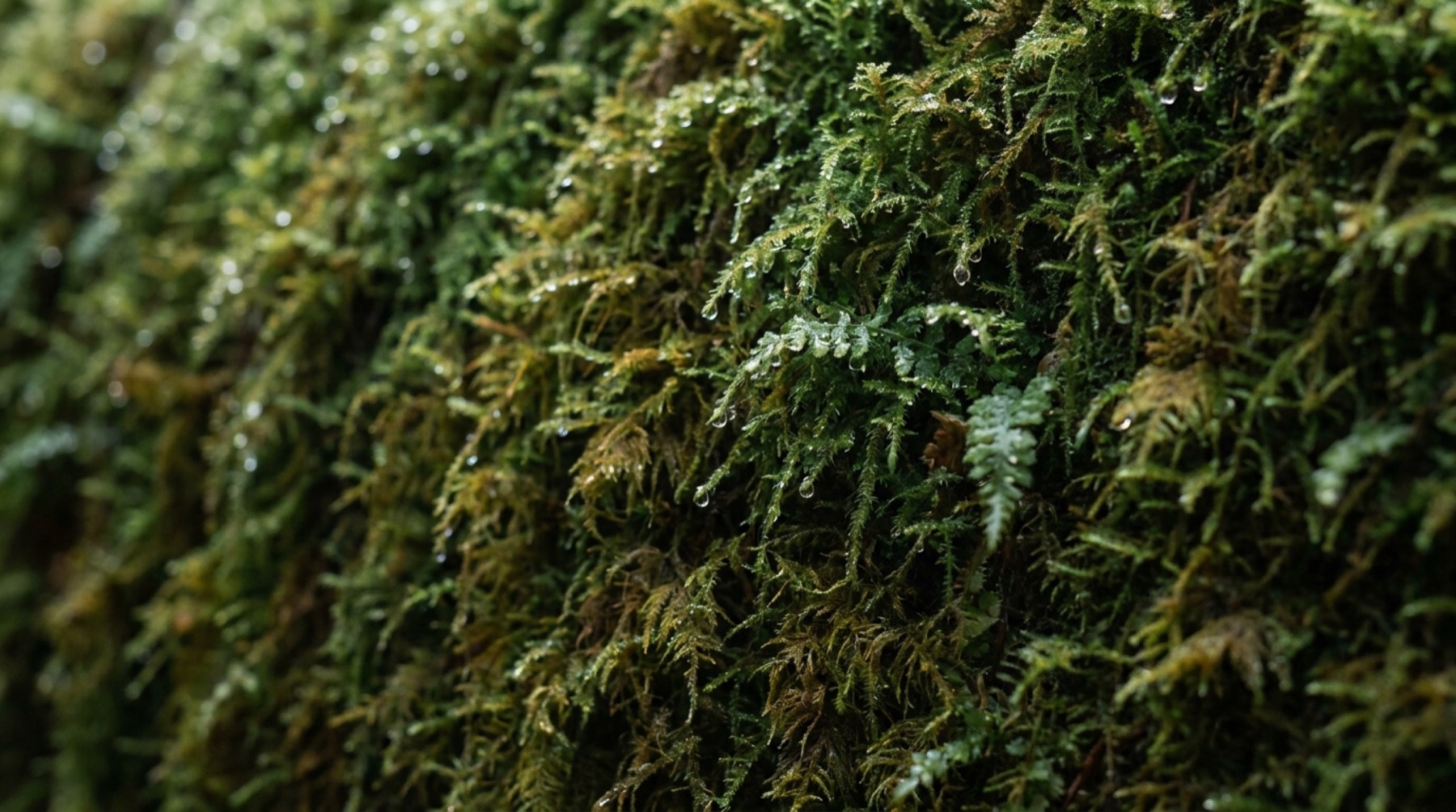
The home is a microbial ecosystem, and the architectural decisions made at design (humidity envelope, ventilation, material specification) determine whether that ecosystem trains the immune system or stresses it.
What microbiology actually is, in a residence
Three populations matter:
- Pathogenic and inflammatory: mould species, mycotoxins, dust mites, cockroach and rodent dander, biofilms in plumbing. The populations that produce illness when their environment favours them.
- Commensal: the bacteria, archaea, fungi, and viruses that populate every indoor surface. The training set the adult immune system needs.
- Hygiene-critical surfaces: kitchen counters, bathroom fixtures, bedding, soft furnishings. Where active hygiene matters because the population on the surface contacts food, mucosa, or skin daily.
The MAVI 129 Microbiology domain scores all three.
The thresholds that matter
- Relative humidity: target 40 to 50%. Below 30%, mucosal surfaces dry. Above 60% sustained, mould and mites flourish.
- Surface temperature: should not drop more than 3 °C below ambient anywhere in the envelope; condensation produces the moisture that mould needs.
- Air exchange rate: 0.35 air changes per hour minimum (ASHRAE residential), higher in kitchens and bathrooms.
- Bedding wash temperature: 60 °C weekly for dust-mite control.
- Indoor microbiome diversity: the marker that correlates with immune resilience (Kirjavainen et al. 2019).
Where the design decisions actually live
For most residential projects, the microbiology outcome is set by four decisions:
Humidity control. The envelope, the ventilation, the cooking and bathing exhaust, the moisture-bearing materials. A 40 to 50% RH envelope across seasons is the single biggest preventive measure.
Thermal-bridge elimination. Where surface temperature falls below dew point, condensation forms and mould follows. Thermography at design-stage and again at commissioning catches the problem geography before the mould does.
Ventilation rate and topology. Bathrooms and kitchens need extract; sleeping zones need fresh air; the whole house needs balanced exchange. HRV/ERV systems are the design-grade answer; window-only ventilation is the workaround.
Material biology. Natural-fibre soft furnishings shed less microplastic but retain more dust-mite reservoir without the right wash cycle. Hard floors with rugs that can be washed are the cleanest topology in bedrooms. Antimicrobial-treated finishes are usually counterproductive, they kill the commensal population alongside the problem.
What “microbiology” looks like in a MAVI Blueprint
A residence’s Microbiology score is built from humidity logging by room, thermography of the envelope (cold spots predict condensation), surface dust analysis where the framework requires (mould-spore species, mite-allergen concentration, microbiome diversity profile), and an HVAC and ventilation review (extract rates, balance, filter chain).
The output is a 0 to 100 sub-score and a priority intervention list. For most residences, the highest-leverage interventions are humidity envelope control and thermal-bridge remediation.
The single thing to do today
Look in the corners of every room for mould spotting (especially bathrooms, behind furniture against external walls, around windows). Run a humidity logger for two weeks. Most problems are visible if you know where to look. The MAVI Snapshot flags geographies where mould risk is high; the Blueprint does the per-room thermography and microbiology work.