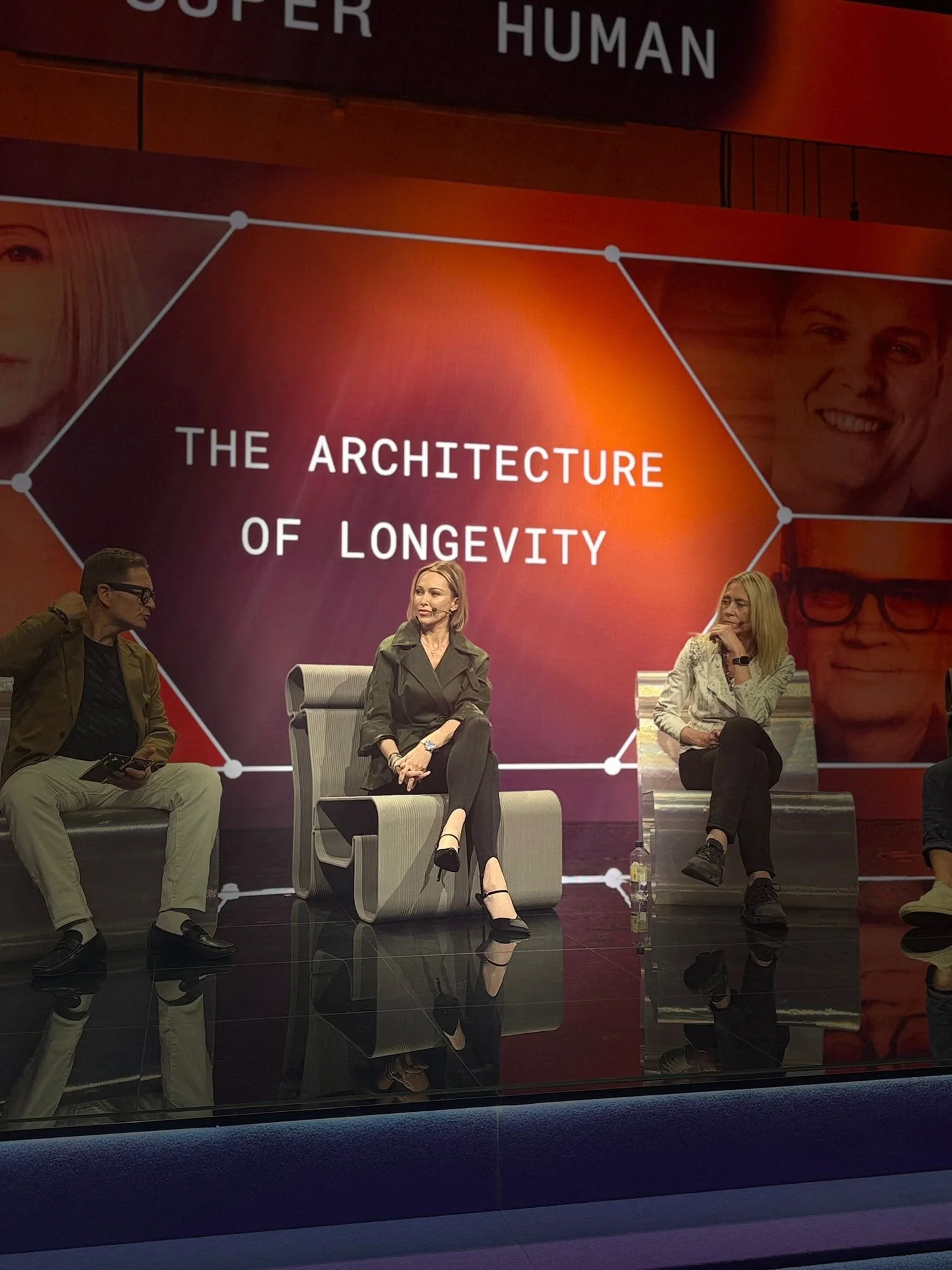
Kas Bordier on stage at Super Human in Stockholm, beneath a screen reading The Architecture of Longevity

Stockholm · June 2026

The Architecture
of Longevity

What Stockholm taught us about being superhuman.

The conference was called Super Human. And I went in expecting the answer to be biological. Stem cells, peptides, reprogramming, the science of pushing the human body past its known limits.

By the end of the day, I realised being superhuman is about something else entirely.

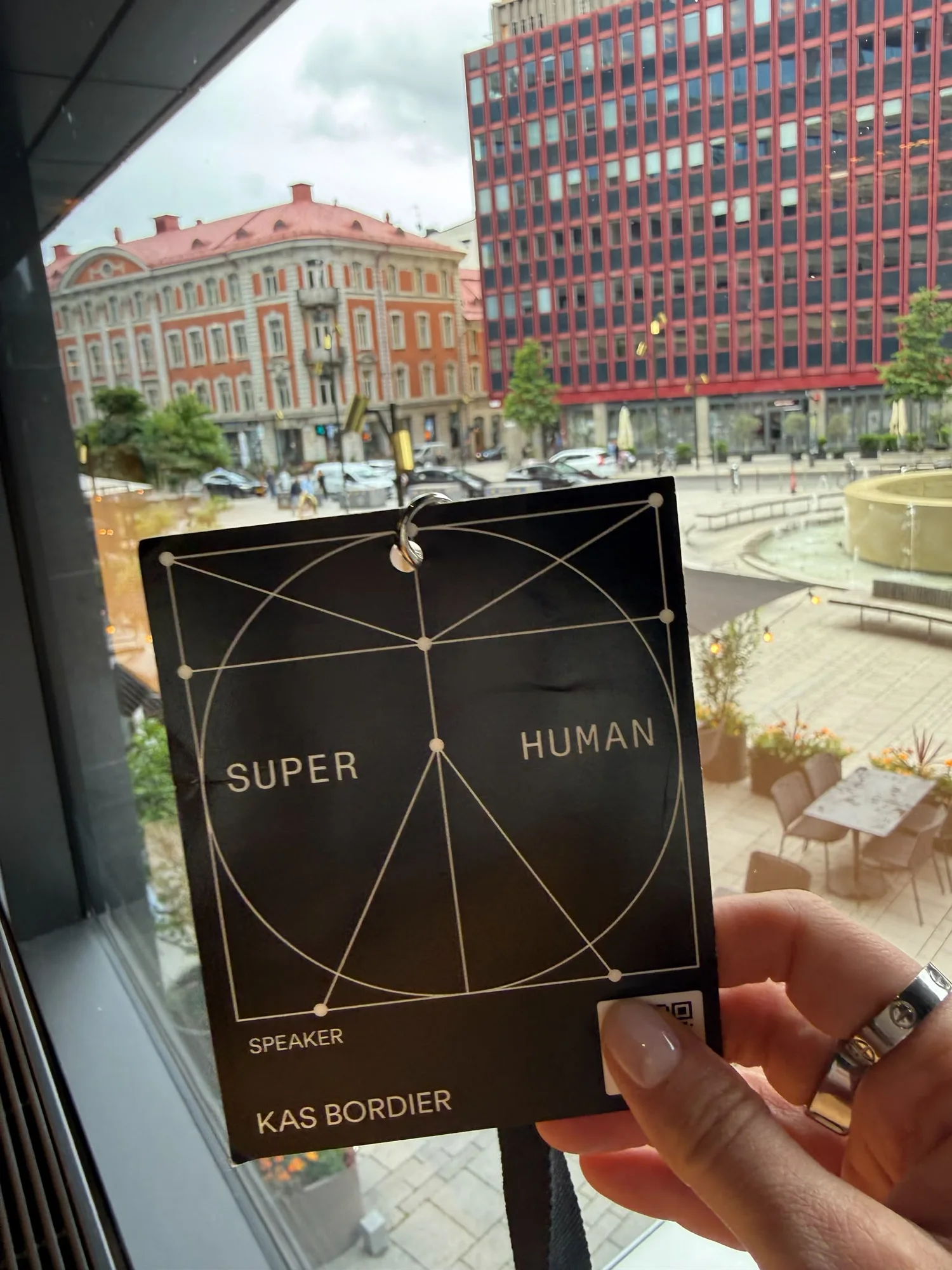
A black Super Human speaker pass reading Kas Bordier, held up against the square outside the venue in Stockholm

The room

I stood on stage in Stockholm alongside some of the most important voices in longevity science. Dr. David Sinclair. Aubrey de Grey. Dave Asprey. Peter Crone. A single room holding the absolute frontier of human optimisation.

Our panel was called The Architecture of Longevity. And by the end of the day, that title felt less like a niche topic and more like the thread running through everything.

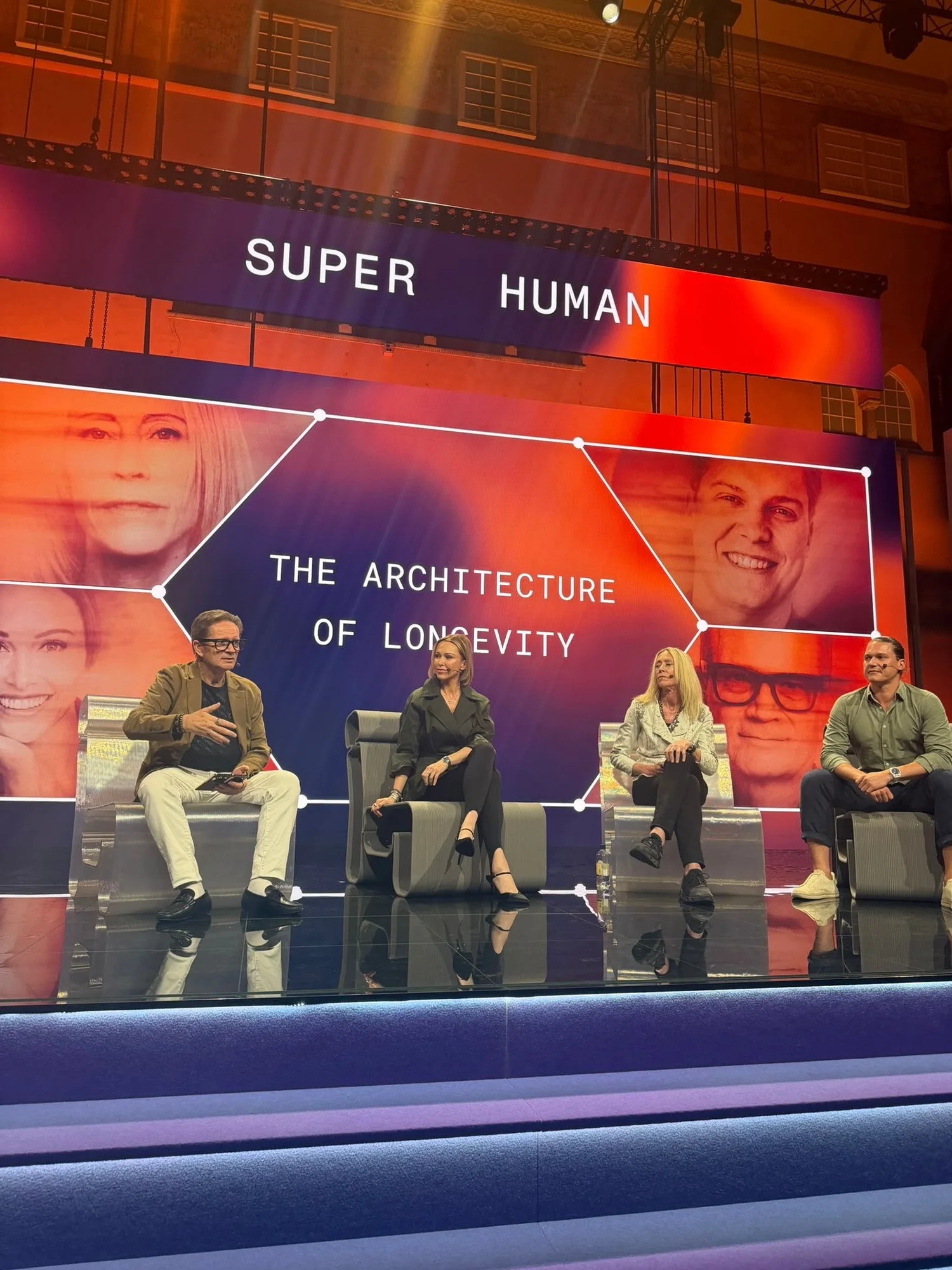
The Architecture of Longevity panel, four speakers seated across the stage beneath the title on the screen behind them
The Architecture of Longevity panel.

The voices in the room

I shared the Stockholm stage with some of the most influential voices in longevity. These are four of them.

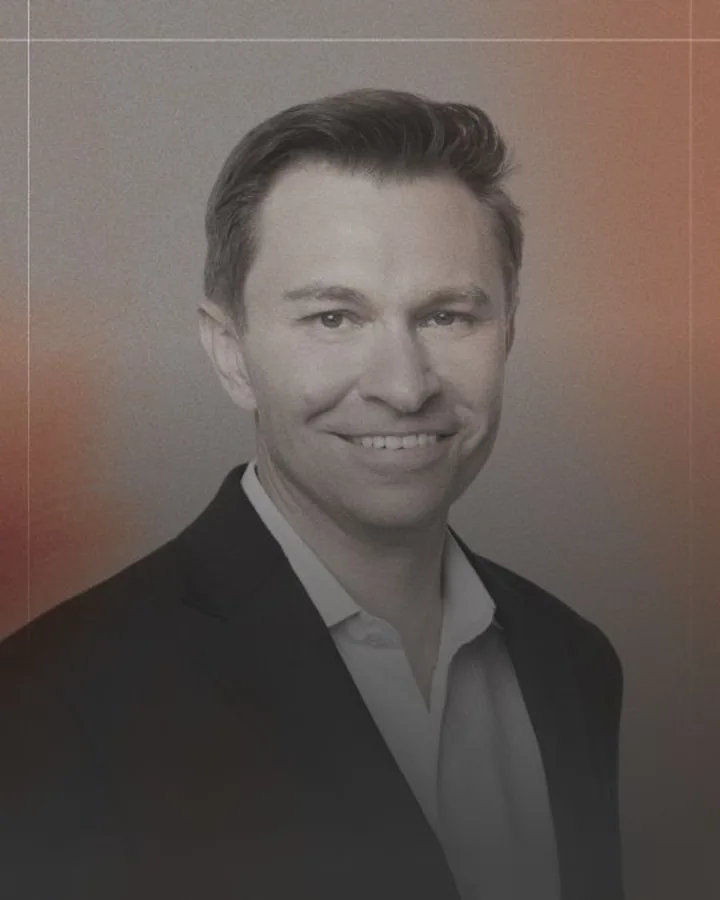
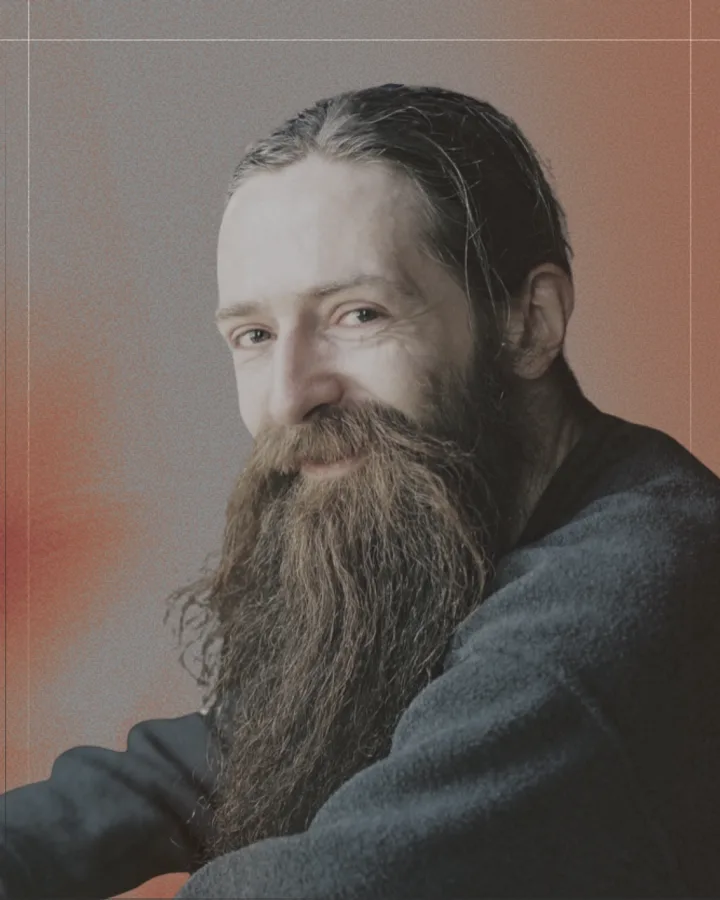
Portrait of David Sinclair

David Sinclair

Geneticist, Harvard Medical School

Professor of genetics at Harvard Medical School and co-director of its Paul F. Glenn Center for Biology of Aging Research, and one of the most widely heard voices in the science of growing old. His Information Theory of Aging holds that we age as cells lose their epigenetic instructions, not through damaged DNA alone. Author of the bestseller Lifespan.

Portrait of Aubrey de Grey

Aubrey de Grey

Biomedical gerontologist, LEV Foundation

An English biomedical gerontologist who reframed ageing as something engineered rather than inevitable. Through his Strategies for Engineered Negligible Senescence he argues the body accumulates a finite set of types of damage that medicine can repair, and he popularised the idea of longevity escape velocity. Co-author of Ending Aging.

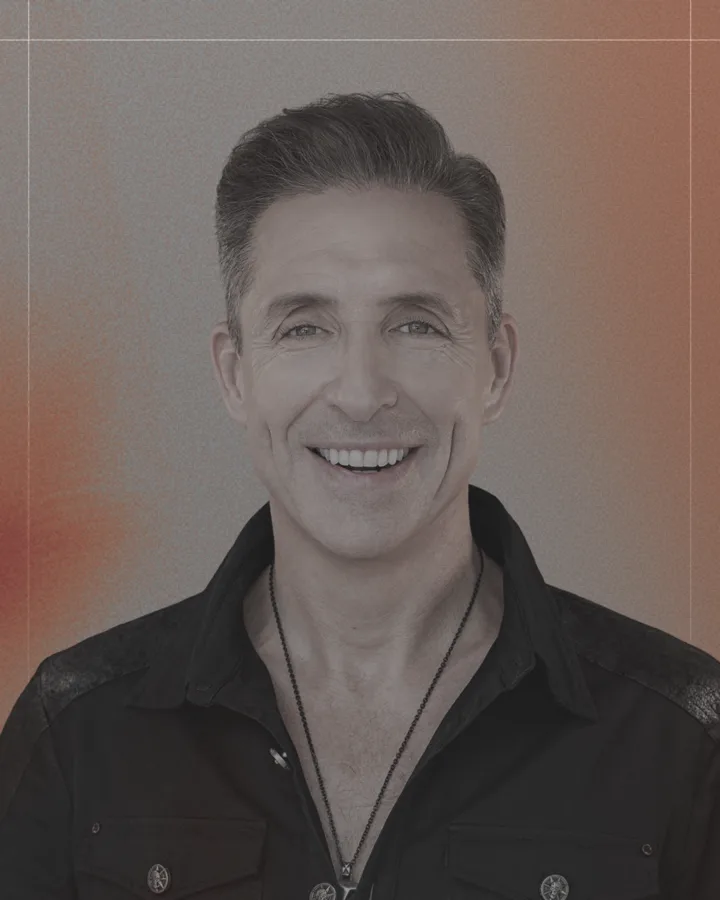
Portrait of Dave Asprey

Dave Asprey

Founder of Bulletproof and Upgrade Labs

The entrepreneur who turned self-experimentation into a movement. A former technology executive, he founded Bulletproof, popularised the word biohacking, and now runs Upgrade Labs and the annual Biohacking Conference. A four-time New York Times bestselling author, he treats ageing as an engineering problem and says he intends to live to at least 180.

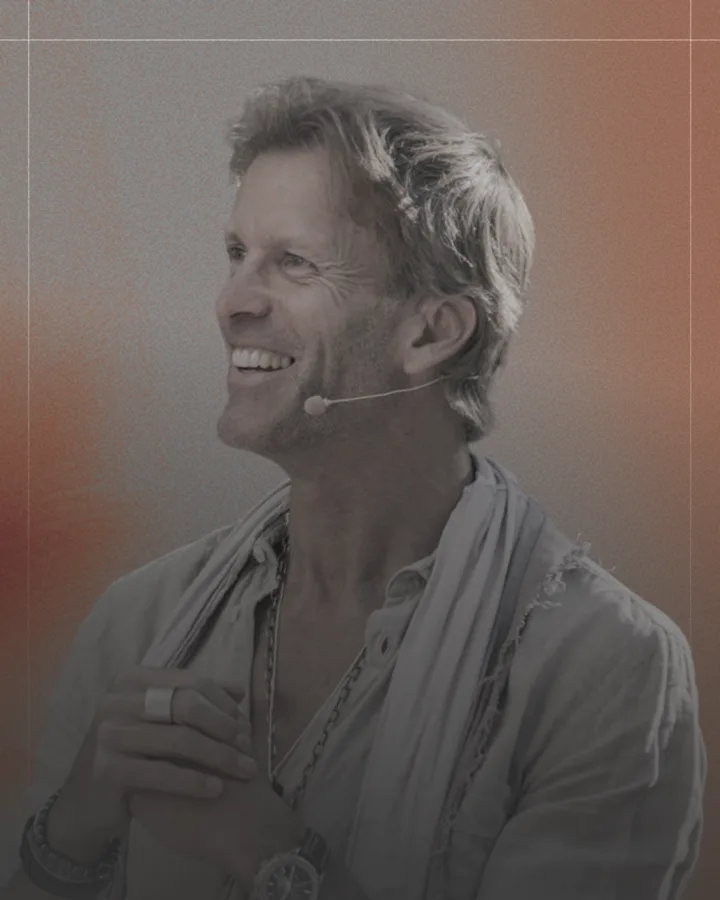
Portrait of Peter Crone

Peter Crone

The Mind Architect

Known as The Mind Architect, a mindset and human-potential coach who works to dissolve the limiting beliefs and chronic stress he says quietly govern health, relationships and performance. Born in England and now based in Los Angeles, he featured in the 2017 documentary HEAL and has guided elite athletes, chief executives and public figures.

The wider room ran deep: geroscientist Andrea B. Maier, Retro Biosciences founder Joe Betts-LaCroix, longevity-policy strategist Tina Woods, behavioural scientist Jon Levy, and the summit's founder, Ash Pournouri, who built the stage we all shared.

Extraordinary science

The science was extraordinary. There were sessions on peptides, psychedelics, and biological ageing, exploring how neuroplasticity created through the appropriate use of psychedelics can activate anti-inflammatory pathways, reduce rigidity in our behaviour, and help build a more resilient and adaptive nervous system. Bio-age tests can now measure these shifts, because the nervous system and the immune system are deeply linked. What happens in the mind shows up in the body.

Two decades of ageing science, mapped on one wall.
The Information Theory of Aging. Lu et al., Nature Aging, 2023.

David Sinclair spoke about the Information Theory of Aging, and one idea stayed with me above all others. Ageing, in large part, is the accumulation of epigenetic noise. The loss of clear biological information over time. Reducing that noise is at the very core of what MAVI does. Because the environment you live in, the air you breathe, the light you absorb, the quality of your sleep, the level of chronic stress your nervous system carries, all of it either adds to that noise or helps quiet it.

Cellular reprogramming: the same biology, dialled older and younger. Yang et al., Cell, 2023.

The most important finding

Now, this is what struck me the most. For all the talk of cellular reprogramming and protocols, the data kept pointing back to something profoundly simple. The single greatest predictor of staying alive is not a supplement. It is social integration and close relationships. Stronger than quitting smoking. Stronger than exercise. And Peter Crone reminded us that you can optimise the body endlessly, but a mind at war with itself will undo all of it.

Staying alive, ranked. Social integration and close relationships sit above quitting smoking, above exercise.
We are lonelier than we have ever been.
A long and happy life begins with trust.

What Stockholm taught me

So this is what Stockholm taught me. Being superhuman is not about escaping our humanity. It is about protecting the things that make us most human, in all shapes and shadows of it. Connection. Safety. Peace. The spaces we design should not just keep us alive longer. They should bring us closer to each other and to ourselves.

That is the architecture of longevity. And it matters now more than ever.

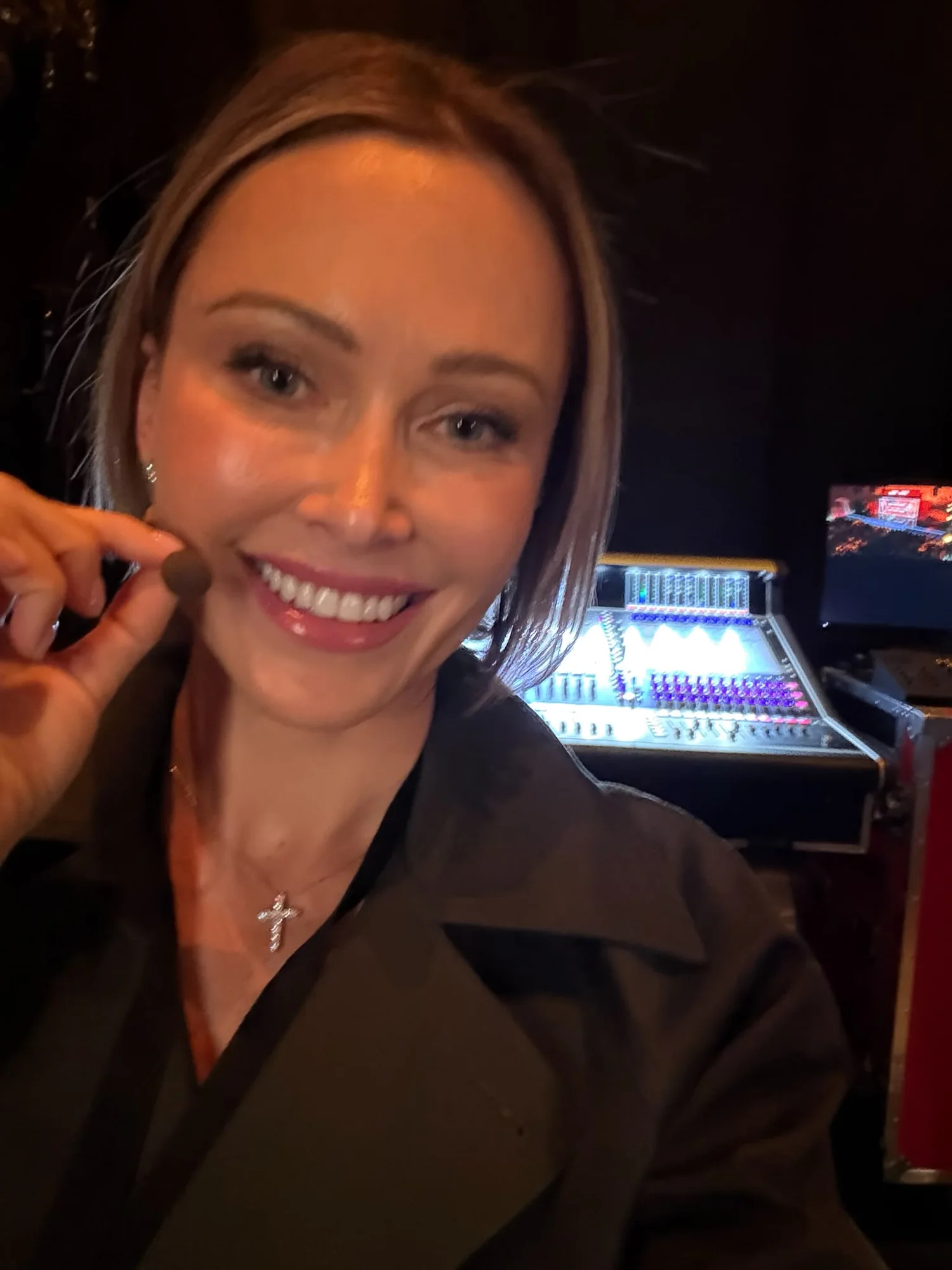
Kas Bordier backstage before the panel, holding her stage microphone, the lighting desk behind her

With love,

Kas

Kas Bordier · Founder, MAVI

From the room

The room the body lives in.

MAVI brings longevity science into the spaces we live and work. Ten domains, one hundred and twenty-nine measured factors, every recommendation cited.

Begin a project