
Paint is decoration. It is also part of your indoor-air strategy. Five checks, and one question that settles most of it.
Most people choose paint by colour, finish and price. But your walls are among the largest material surfaces in your home. What you apply to them becomes part of the environment around you, especially in bedrooms, nurseries, living rooms and home offices.
Paints, primers, sealers and other finishing products can release VOCs, or volatile organic compounds, into the air after application. That does not mean every paint is inherently unsafe. It means the quality of the material, the evidence behind it and the way it is installed all matter.
Before you choose a colour, use this checklist.
The rule
Do not buy paint because it says "non-toxic." Words such as natural, mineral, low-tox, eco, odourless and low VOC can be useful starting points. But they are not proof on their own.
A healthier paint choice is not about finding the best wellness story. It is about finding a product with clear, independent evidence for lower chemical emissions into indoor air.
The one question to ask is: "Can you show me the independent emissions test for this exact paint system?"
By "system," we mean the complete wall build-up. Filler or skim coat, primer, paint, colour tint, caulk, sealer or topcoat.
One. Look for independent certification
In Europe, look for:
- EU Ecolabel
- Blue Angel
- Product-specific VOC-emissions testing
In the United States, look for:
- UL GREENGUARD Gold
- SCS Indoor Advantage Gold
- CDPH Standard Method, also known as California Section 01350, emissions testing
These are not identical standards. But each gives you a more credible starting point than an unverified "eco" or "wellness" claim.
Two. Ask for the data sheets
Ask the brand, supplier, contractor or paint store: "Can I see the technical data sheet and safety data sheet for this exact product?"
You are looking for clear, product-specific information, not a general sustainability brochure. If a company cannot provide basic documentation, you do not have enough evidence to make a health claim about the product.
Three. Ask about emissions after application
A "low VOC" claim on a paint tin is not the whole story. There is an important difference between how much VOC is contained in the wet product, and what the finished paint may emit into the room after it has been applied and cured.
Ask: "Has this paint been independently tested for VOC emissions after application? Can I see the results?"
The strongest evidence comes from recognised chamber-emissions testing, such as ISO 16000 methods in Europe or the CDPH Standard Method in the United States.
Four. Check the complete wall system
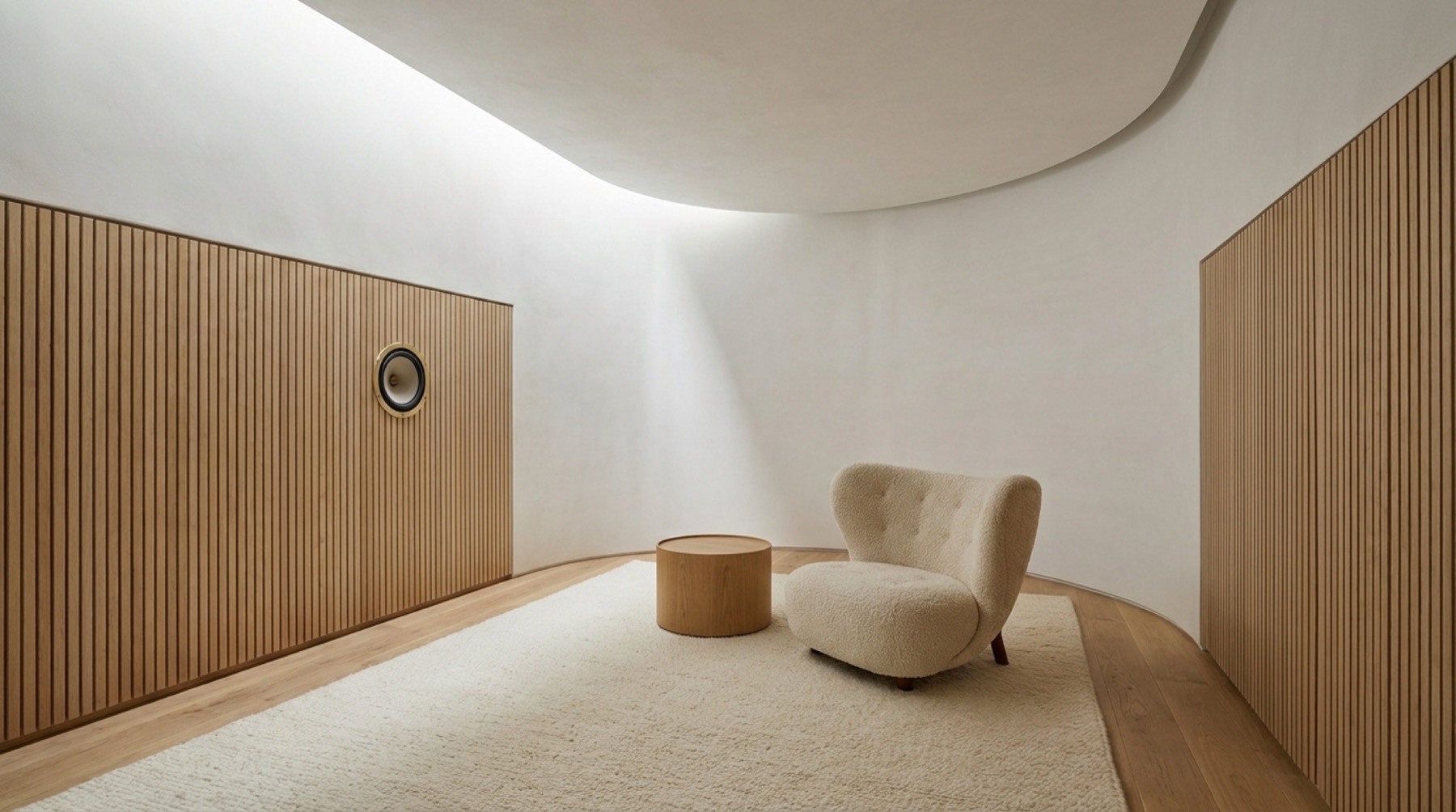
Your paint colour is only one layer. A lower-emission paint can still sit on top of an unverified filler, primer, caulk, stain blocker or protective coating.
Before signing off, ask what will be used for:
- Wall filler or skim coat
- Primer
- Paint base
- Pigment or tinting system
- Caulk and sealant
- Stain blocker
- Sealer or protective topcoat
- Wallpaper adhesive, where applicable
Use this question: "Can you confirm that the primer, filler, tinting system, caulk and topcoat are also part of the low-emissions specification?"
Do not specify paint in isolation. Specify the wall system.
Five. Let it cure
The step most people skip
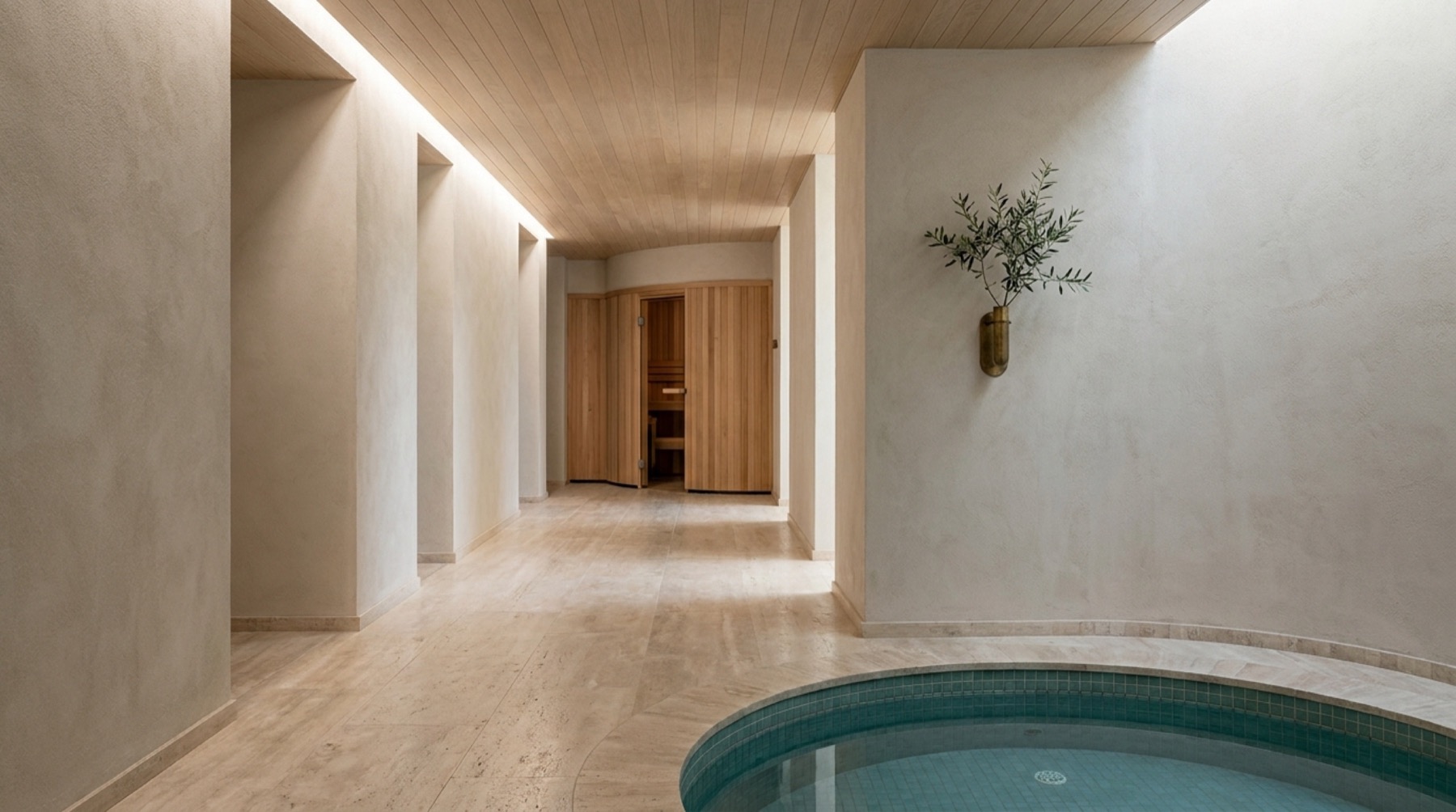
Even a well-specified paint needs proper installation and curing time. After painting:
- Ventilate the room properly
- Follow the manufacturer's guidance on temperature, humidity and cure time
- Avoid occupying a newly painted bedroom immediately, where the programme allows
- Do not use fragrance to cover a paint smell
- Keep leftover paint, solvents and other chemical products outside primary living and sleeping spaces where possible
Ventilation supports a good material specification. It does not replace one.
What to ask before you buy
Take a screenshot of this before your next paint purchase.
"Can you show me the independent emissions test for this exact paint system, including the primer and tint?"
Then check that the documentation applies to:
- The exact product, not a different product range
- Your chosen sheen or finish
- The paint base being used
- Your selected colour or tinting system
- The primer and preparation layers
- Any sealer, topcoat or protective finish
Reading the answer
You are handed documents
A certification or emissions test for the exact system, with the data sheets to match. That is evidence, and you can specify on it.
You are handed adjectives
"It's natural." "It's water-based." "It's low VOC." "It's odourless." "It's eco-friendly." Ask again, for the technical documents and the independent test evidence. Odour is not a measurement. Documentation is.
What good looks like
A stronger healthy-paint specification includes:
- Independent evidence. A recognised certification or a product-specific emissions test, rather than a marketing claim.
- The paperwork. Clear technical and safety data sheets for the exact product.
- A declared VOC figure. A number you can read, rather than a claim you have to take on trust.
- Emissions after application. Information about what the cured finish releases into the room, not only what sits in the wet tin.
- The right product. Evidence that applies to the correct paint base, finish and tint, not to a neighbouring range.
- The layers underneath. A verified lower-emission primer and preparation system, specified alongside the paint.
- A plan for the first weeks. A considered ventilation and cure-time plan, agreed before anyone opens a tin.
For European projects, EU Ecolabel and Blue Angel are useful starting points for lower-emission paints. For projects in the United States, UL GREENGUARD Gold and SCS Indoor Advantage Gold are useful screening tools for indoor-air emissions.
No label replaces a full, project-specific material review. But independent documentation is more meaningful than relying on marketing language alone.
The MAVI perspective
Your walls are hardware. The best homes do not add wellness at the end. They build it into the materials, systems and specifications that shape daily life long before furniture, scent, supplements or wellness devices arrive.
Paint is not the only contributor to indoor air quality. Furniture, flooring, joinery, adhesives, ventilation, cleaning products and moisture control matter too. But paint is one of the easiest and most frequently overlooked places to start.
A longevity home is not about making every decision perfect. It is about reducing unnecessary load, asking for evidence and designing the invisible parts of the home to support how you want to live, sleep and recover.
Longevity starts before the furniture.
This is one of 129
Everything above will improve what your walls give back to the room. Specifying the whole build-up properly, the filler, the primer, the tint and the topcoat, against evidence rather than adjectives, is what we do on every project. Materials are one of 129 variables we assess across ten pillars of health in every home. Paint is simply the layer you can start with this week.
See how your address actually scores.
The Snapshot reads your home across all ten pillars and hands the number back to you. It is free, and it takes minutes.
Run your free SnapshotThis checklist is an educational guide and does not replace product-specific technical advice, indoor-air testing, medical advice or the guidance of qualified project professionals. Product formulations, certifications and availability vary by region, finish, colour base and application system. Always verify the documentation for the exact products being used in your project.