Why Your Home Is Making Her Symptoms Worse: Environmental Design for Women's Hormonal Health


Between irregular cycles, crushing fatigue, and the constant feeling that something is "off," women spend decades navigating hormonal shifts that profoundly impact daily function. Yet we've been designing environments as if hormones don't exist.
Here's what 99% of people miss: The spaces women inhabit either amplify hormonal chaos or provide biological refuge.
The Female Physiology Paradox
Women aren't small men. Yet our built environments were designed during an era when medicine was studied exclusively on male physiology. Women weren't required in research studies until 1993.
Dr. Vonda Wright, orthopedic surgeon and aging researcher, notes that "down to a cellular level, every cell from an XX expresses tissue changes differently than an XY." Women have more endurance muscle fibers, smaller lungs, less hemoglobin, and fundamentally different hormonal signaling. Yet our homes and offices ignore the dynamic 25-35 day cycles where estrogen and progesterone fluctuate daily, reshaping everything from sleep architecture to stress tolerance.
The Hormone-Environment Connection
Dr. Natalie Crawford, fertility specialist, describes hormones as "your body's communication system, constantly fluctuating in response to multiple stimuli." Light, temperature, air quality, and stress aren't comfort factors. They're biological inputs that either support or dismantle hormonal orchestration.
Consider: progesterone in the luteal phase (the second half of a woman's cycle) shifts metabolism, increases core body temperature by 0.3-0.7°C, elevates resting heart rate, and changes sleep needs. Most women report needing deeper, longer sleep during this phase. Yet how many bedrooms are designed to accommodate these predictable physiological shifts?
The Inflammation-Hormone Loop
Chronic inflammation is the common thread through PCOS, endometriosis, and hormonal dysfunction. Dr. Crawford emphasizes that "insulin resistance and inflammation are key players" in fertility and cycle health. Yet indoor air quality in most homes rivals outdoor pollution, creating constant inflammatory burden.
The solution isn't supplements. It's environmental intervention.
Dr. Stacy Sims' research on cold water exposure (10°C, not ice baths) for 10 minutes daily in the 10-14 days before menstruation has shown remarkable results. The practice creates a learned immune response that reduces inflammation and improves symptoms in women with endometriosis and PCOS.
But cold exposure is just one lever. The broader opportunity lies in comprehensive environmental design:
Air Quality as Hormonal Support: Filtration to 0.3 microns isn't aesthetic. It's reducing the inflammatory load that disrupts ovulation, worsens PCOS, and compounds endometriosis.
Temperature Regulation: Core body temperature naturally increases in the luteal phase. Bedrooms that can't accommodate this shift force women to fight their own physiology. Maintaining 18-19°C with adaptive options becomes crucial for quality sleep during hormonal fluctuations.
Light Synchronization: Circadian rhythm disruption affects hormone pulses from the brain. Dr. Sims notes that "when we're looking at gerolin, which makes us hungry, it's elevated with cortisol" and affected by light exposure. Natural morning light combined with dimming to below 30 lux 90 minutes before bed can increase REM sleep by 18%, critical for hormonal regulation.
Stress Architecture: Chronic stress directly impacts fertility and cycle regularity. Spaces that force constant low-level activation prevent the parasympathetic recovery essential for hormonal balance.
The Workplace Equation
Women make 80% of healthcare decisions and represent 51% of the population, yet workplace design ignores female physiology entirely.
The solution isn't "menstrual leave." It's flexibility. Women naturally front-load demanding tasks during their follicular phase (first two weeks of cycle) when estrogen is high and concentration peaks. During the luteal phase when progesterone creates fatigue and reduced stress tolerance, they need the autonomy to adjust workload.
Rigid 9-to-5 structures inherited from the Industrial Revolution ignore this biological reality. As Dr. Sims observes, giving women "the flexibility is going to allow her to be her most productive rather than demanding she have x amount every single day."
The Hidden ROI
When First Abu Dhabi Bank restructured workplace environments for circadian lighting, air quality, and acoustics, musculoskeletal claims fell 24% and pharmacy costs dropped 9%. Pure environmental intervention. No supplements. No medications.
Now apply this to residential design. The bedroom isn't just where you sleep. It's where hormonal regulation either happens or fails. The kitchen isn't just where you eat. It's where inflammatory or anti-inflammatory choices get made based on stress levels and available options.
Longevity Architecture for Female Biology
The fertility non-negotiables that Dr. Crawford outlines (sleep, stress reduction, anti-inflammatory nutrition, movement, toxin elimination) are identical to longevity fundamentals. This isn't coincidence. Supporting female hormonal health issupporting human health optimization.
True luxury in residential design isn't gender-neutral. It's biology-specific. Bedrooms with adaptive temperature control. Air filtration that reduces inflammatory burden. Lighting systems that support rather than scramble circadian signaling. Acoustic design that permits genuine recovery.
These aren't boutique upgrades. They're biological necessities for the 51% of the population navigating monthly hormonal shifts that affect every system in the body.
Environmental design is the intervention we haven't tried. Not "how do we make women comfortable?" but "how do we design spaces that recognize female physiology exists?"
The answer determines whether women spend decades fighting their environments or being supported by them.
Women's hormonal health isn't a niche concern. It's the health of the majority. And the spaces they inhabit either recognize this biological reality or continue pretending it doesn't exist.
Two Paths
One Vision
When your home works in harmony with your biology, health stops being something you manage, it becomes something you live in.
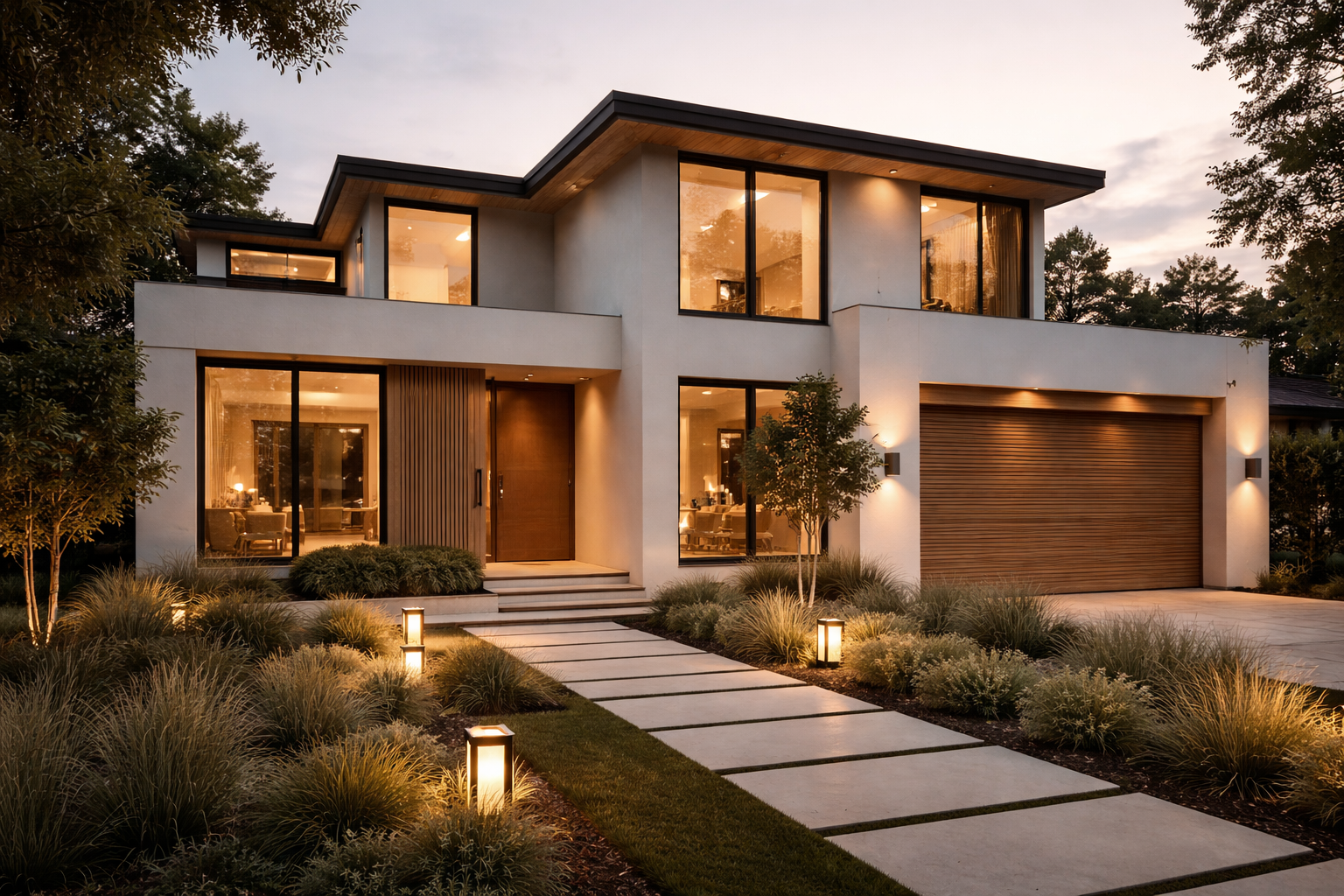
For Developers
Build projects that define wellness real estate.
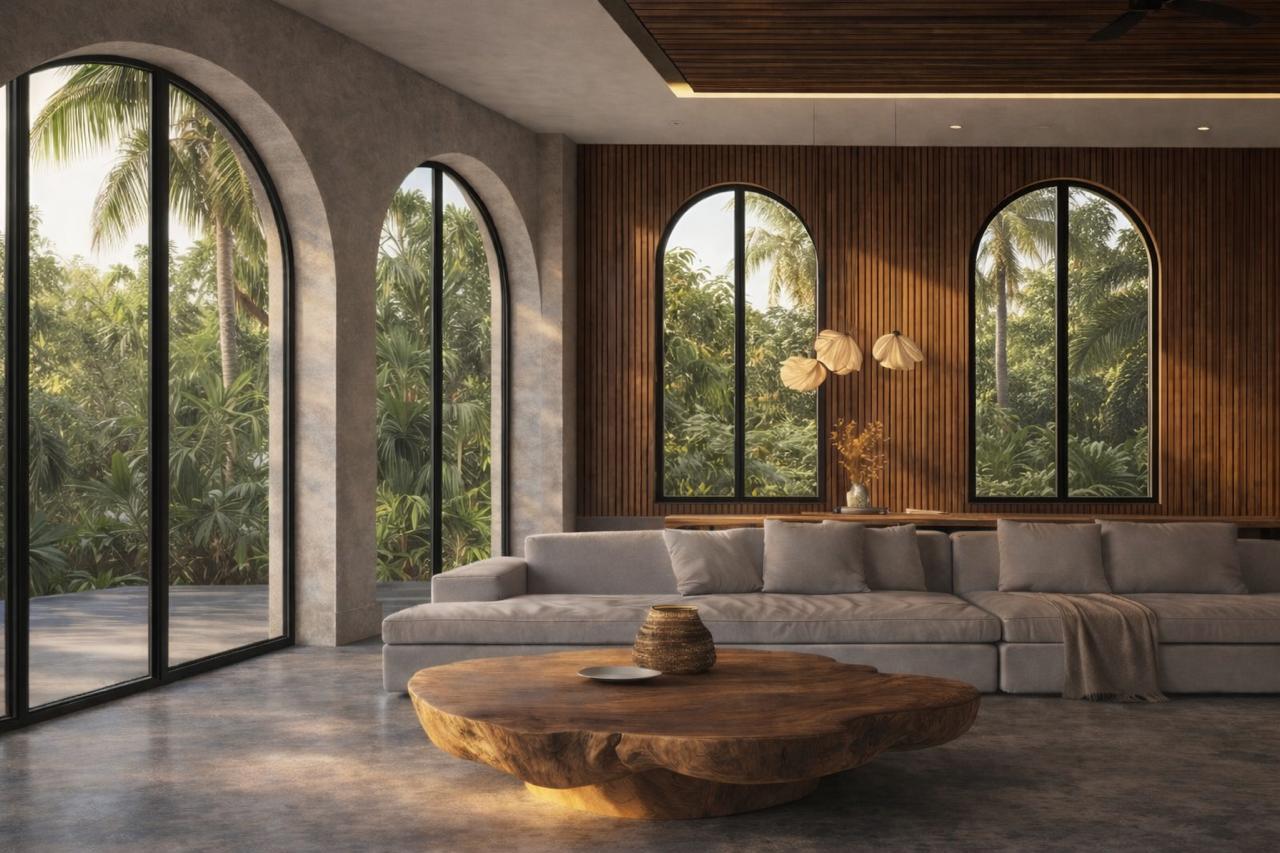
For Homeowners
Create a home that builds your health.