The Sleep Architecture Paradox: Why Your Bedroom Is Sabotaging Your Biology


The Medicalization of a Design Problem
We reach for melatonin. We dose magnesium. We buy $400 sleep medications. But Dr. Matthew Walker, neuroscientist at UC Berkeley, points out the fatal flaw: most forms of magnesium don't even cross the blood-brain barrier, and sleep is produced by your brain.
You're creating expensive urine while sleeping in a room flooded with junk light, breathing stale air, and surrounded by materials that confuse your endocrine system.
It's rather like trying to run a marathon in concrete shoes and wondering why the electrolyte drink isn't helping.
Your Bedroom Is a Biological Battlefield
Light is a hormone. Air is information. Sound is chemistry. Materials are biological instructions your nervous system reads before you consciously do.
Light pollution from devices and streetlights tricks your brain into perpetual twilight. When you're underslept due to environmental factors, leptin (which signals fullness) drops while ghrelin (which signals hunger) increases, creating a 30-40% increased hunger drive. Your bedroom's light chaos is literally making you hungrier and fatter.
Temperature dysregulation prevents the 2-3°C core body temperature drop necessary for deep sleep initiation. Walker recommends 18°C (65°F), yet most bedrooms fluctuate wildly.
Poor air quality means you're breathing recycled CO2 and VOCs that your body reads as a threat state. During deep sleep, your brain's glymphatic system should be flushing metabolic toxins including beta-amyloid and tau protein, the culprits of Alzheimer's. Poor air quality impairs this critical cleansing.
The Regularity Revolution
A UK Biobank study of 60,000 individuals found that those most regular in their sleep timing, within a 30-minute window, had a 49% lower risk of premature death, 39% reduction in cancer mortality, and 57% decrease in cardiometabolic disease.
More striking: regularity beats out sleep quantity in predicting mortality. This surprised even sleep scientists.
But here's the paradox: you cannot be regular in an irregular environment. If your bedroom temperature swings wildly or light levels vary based on street traffic, your suprachiasmatic nucleus, the master clock in your brain, receives conflicting signals.
Your body craves predictability. Your bedroom provides chaos.
The REM Sleep Robbery
REM sleep is concentrated in the final 2-3 hours of sleep. Wake 2 hours early and you lose 25% of total sleep but 50-70% of your REM sleep.
Walker describes REM as "overnight therapy" where your brain strips emotional charge from memories. During REM, your brain shuts off noradrenaline (the stress neurochemical), creating a safe environment for emotional processing. This is why sleep-deprived people struggle with emotional regulation.
Environmental factors, early light intrusion, temperature fluctuations, noise, rob you of precisely this critical phase. Your bedroom's design is costing you the most neurologically valuable hours.
The Hidden ROI
When First Abu Dhabi Bank restructured environments for circadian lighting, air quality, and acoustics, musculoskeletal claims fell 24%, pharmacy costs dropped 9%, and average claims per employee decreased for three consecutive years.
Pure environmental intervention. No supplements. No education programs.
Now apply this to where you spend 8 hours per night.
The DNA Connection
Walker's research shows insufficient sleep distorts the activity of 711 genes. Some genes related to cardiovascular disease and inflammation become overexpressed. Others related to immune function become impaired.
But this genetic disruption isn't just about duration, it's about quality and regularity, both profoundly influenced by environment. Your bedroom is rewriting your genetic expression every single night.
Sleep Architecture: The Overlooked Intervention
True luxury isn't a $10,000 mattress. It's a bedroom designed as a biological reset chamber:
- Circadian lighting dimming to below 30 lux 90 minutes before bed (shown to increase REM sleep by 18%)
- Air filtration to 0.3 microns, maintaining CO2 below 800ppm
- Thermal regulation at 18-19°C consistently
- Acoustic design below 30 decibels
- Material selection eliminating endocrine disruptors
- EMF mitigation creating an electrical sanctuary
This isn't aesthetics. This is biological necessity.
The Counterintuitive Truth
Digital detox matters, but not because of blue light. Researcher Michael Gradisar showed devices are attention-capture mechanisms that mute your natural sleepiness. The solution isn't willpower, it's designing an environment that naturally down-regulates arousal.
When your bedroom's lighting, temperature, and acoustics all signal "recovery mode," behavior follows. The environment does the heavy lifting.
The New Calculus
What if the $400 monthly spent on supplements and gadgets was redirected to environmental intervention? Air purification. Blackout systems. Thermal regulation.
With sleep regularity alone predicting nearly 50% reduction in mortality risk, your bedroom isn't just a room. It's the most important health intervention you're not making.
The question isn't whether you can afford to redesign your bedroom. It's whether you can afford not to.
Stop medicating. Start designing. The pathway to restorative sleep isn't through your medicine cabinet, it's through your walls, your windows, your air, your light.
Two Paths
One Vision
When your home works in harmony with your biology, health stops being something you manage, it becomes something you live in.
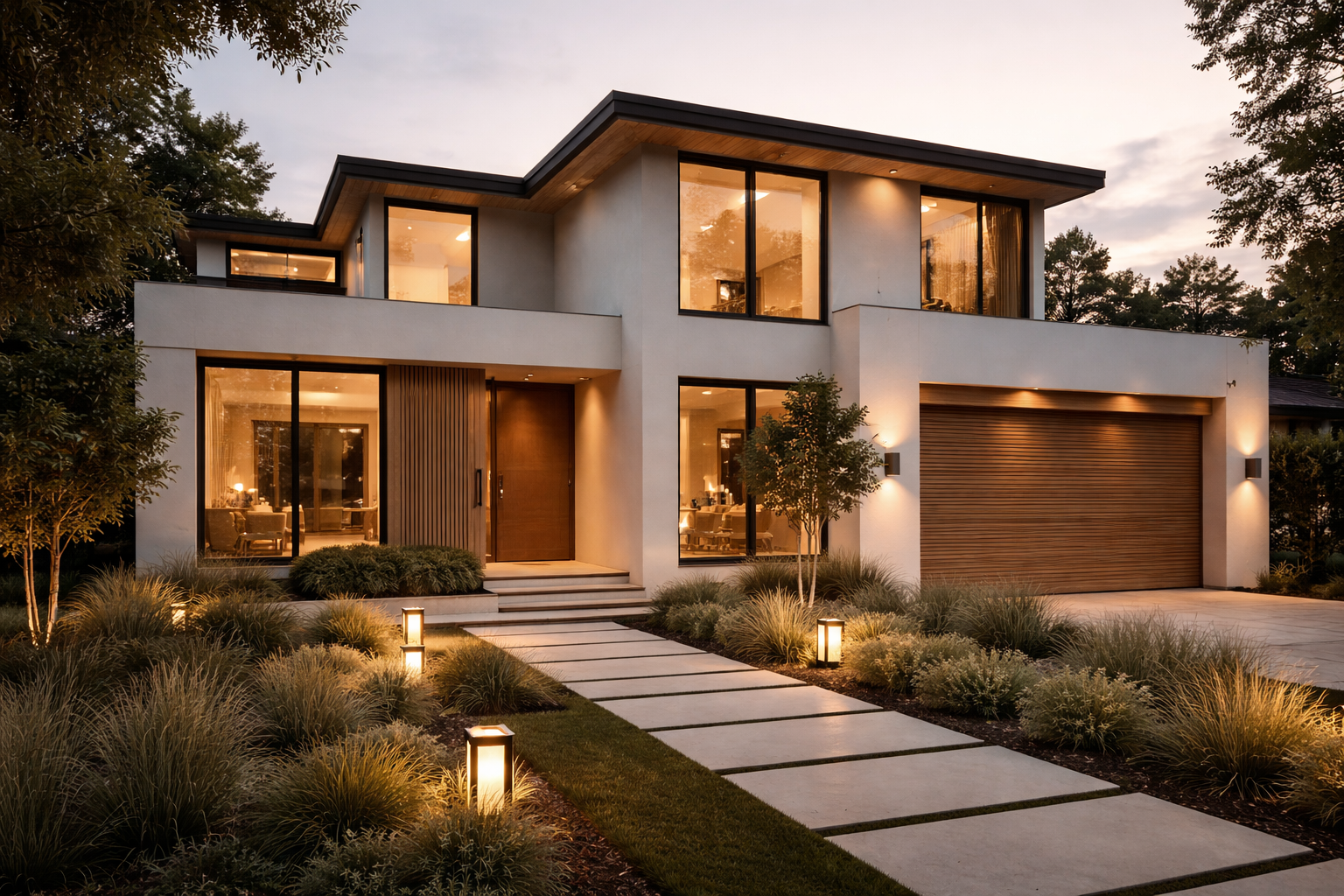
For Developers
Build projects that define wellness real estate.
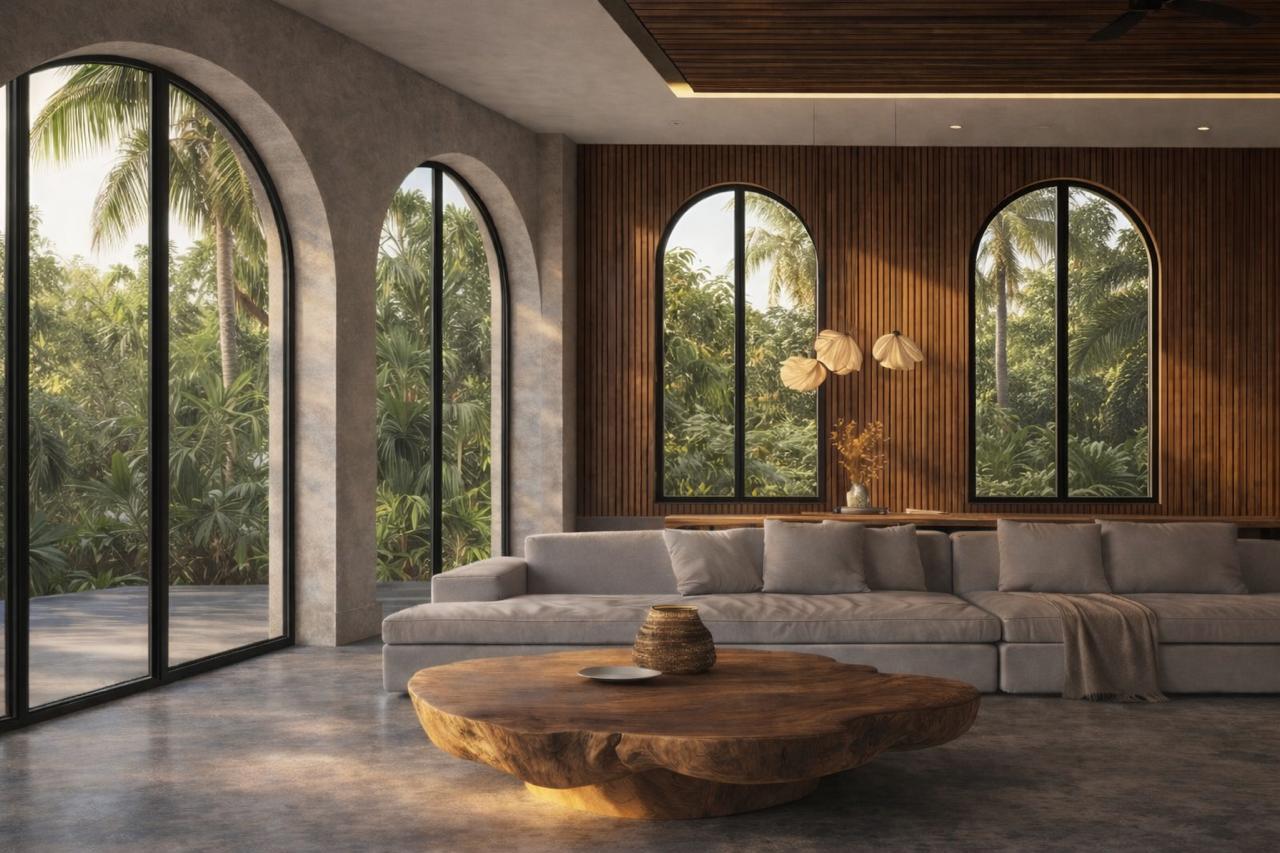
For Homeowners
Create a home that builds your health.